


When importing or sourcing commercial and residential hot tubs, most consumer marketing focuses heavily on surface-level features: high-gloss acrylic shells, multi-color LED lighting perimeter systems, or ergonomic jet counts. However, for B2B distributors, resort project engineers, and professional spa dealers, true long-term profitability lies in what is hidden behind the synthetic skirt panels.
At HSPA Industrial Limited, our engineering methodology centers on structural transparency. The longevity of an outdoor spa is determined by how well it handles structural tension during transport and how effectively its hydraulic layout resists cold-climate freeze damages. Below is an engineering breakdown of why fully welded steel perimeter frames and 100% self-draining piping architecture represent the non-negotiable benchmark for premium hot tub manufacturing.
1. The Cold-Climate Nightmare: Eliminating Residual Water & Pipe Freezing
For spa dealers operating in northern Europe, North America, or alpine regions, winter-related warranty claims are a major operational headache. Standard hot tubs often suffer from severe pipe ruptures, pump seal degradation, and bacterial contamination due to poor hydraulic routing.
The Physics of Water Stagnation
Standard PVC flex-tubing layouts in lower-tier hot tubs often feature sagging pipe runs, sharp right-angle elbows, and low-lying dead loops. When a customer or resort operator drains the spa for winterization, seasonal maintenance, or relocation, gravity alone cannot clear these low points. Micro-pockets of trapped water remain inside the manifold lines.
When ambient temperatures drop below 0 degree, this trapped residual water freezes and expands by approximately 9%, exerting massive internal pressure on glue joints, jet housings, and manifold fittings. The result is hairline fractures that only become visible months later during spring refilling—leading to costly on-site technical service calls.
HSPA's 100% Self-Draining Gravity Architecture
To solve this industry-wide pain point, HSPA engineers design hydrotherapy plumbing using strict slope angles and smooth-bore anti-bacterial hoses.
Gravity-Sloped Line Routing: Every secondary feed line and primary suction pipe is positioned with a continuous downward gradient directed toward the central bottom drain outlet.
Zero-Retention Manifolds: Jet manifolds are mounted vertically or with calculated angles so that air pressure and gravity force 100% of the water out when the drain valve is opened.
100% Workshop Water-Pressure Testing: Prior to fitting thermal insulation and cabinet skirts, every single HSPA hot tub unit undergoes rigorous high-pressure water testing in our workshop to verify zero pressure drops and complete drainage efficiency.
By eliminating trapped water, distributors drastically lower their seasonal after-sales service costs and prevent mold or foul odor build-up in dormant inventory.
2. Structural Rigidity: Fully Welded Stainless Steel Frames vs. Wood & PVC Supports
A hot tub filled with water and occupied by adults represents a static and dynamic load ranging from 1500KG to over 3000KG. If the underlying foundation or internal frame flexes even slightly, that mechanical stress is transferred directly to the fragile acrylic shell.
The Risk of Transport & Crane Installation Strain
International B2B supply chains involve rigorous handling. Spas are packed into 40ft High Cube containers, shipped across oceans, transported via flatbed trucks, and frequently lifted by cranes into tight courtyard or rooftop installations.
Lesser-grade hot tubs constructed with treated wood framing or thin PVC plastic pedestals suffer from "frame flex" under torsion. Over time, wood absorbs ambient moisture, twists, and decays. Plastic supports become brittle under freezing temperatures. When a flexing frame is set down on an uneven concrete pad, the acrylic shell twists under water weight, causing micro-cracks around jet cutouts and suction fittings.
The HSPA Stainless Steel Perimeter Solution
To ensure structural integrity across global logistics routes, HSPA utilizes fully welded heavy-duty stainless steel perimeter frames.
Torsion Resistance: Our ring-frame steel structures distribute the combined weight of water, occupants, and pumps evenly across the entire footprint of the base, preventing structural twisting during crane hoisting.
Corrosion Protection: Every steel frame is treated to withstand high-humidity environments and saline outdoor air, guaranteeing a rust-free lifespan even in coastal resort installations.
Flatness Control: Precision jig-welding ensures zero frame distortion, allowing skirt panels to align seamlessly with crisp, clean margins.
3. Real-World Engineering vs. Hidden Defects
Many buyers ask: Why do some hot tubs look identical on the showroom floor but vary so dramatically in price and longevity?
The answer lies in manufacturing discipline. A premium hot tub manufacturer does not hide structural shortcuts behind decorative siding. High-grade 304 stainless steel, high-temperature silicone wiring, sealed metal junction boxes, and smooth-bore manifold routing add manufacturing cost, but they eliminate the structural failure points that destroy dealer reputations.
When sourcing hot tubs for commercial glamping sites, boutique hotels, or residential dealership networks, requesting "naked" workshop images (unskirted units) is the fastest way to assess factory quality. Seeing the raw steel frame, high-density insulation application, and clean plumbing geometry gives importers full confidence before placing container-level orders.
Partnering with HSPA Industrial Limited
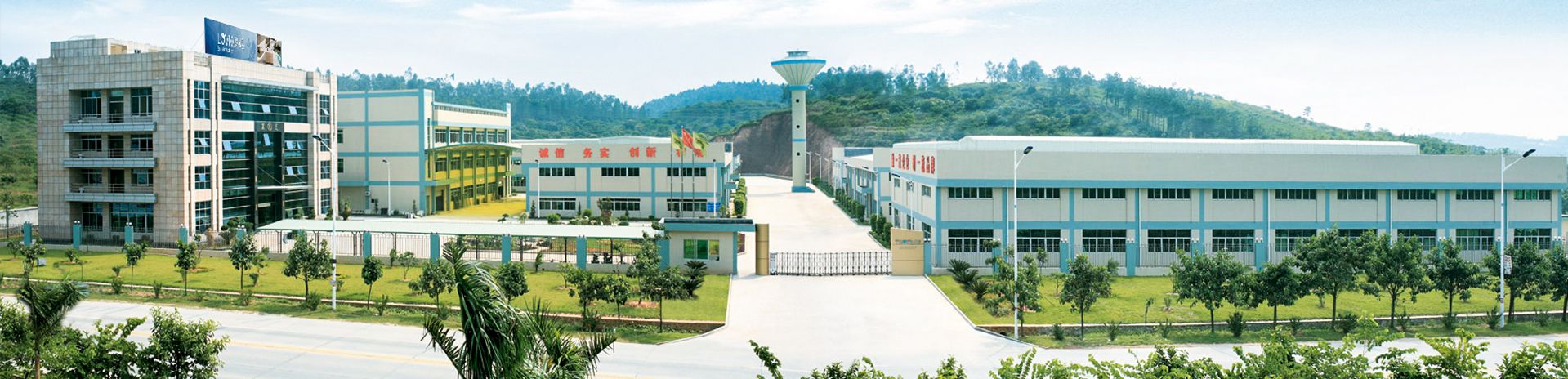
As an OEM/ODM manufacturer specializing in hydrotherapy hot tubs, swim spas, and saunas, HSPA Industrial Limited is committed to engineering clarity, robust manufacturing standards, and transparent B2B collaboration.
Whether you are an established importer looking to reduce winter warranty claims or a project designer seeking engineered CAD specifications and rough-in charts, our technical team is ready to support your supply chain.

